Introduction: A Legend That Endures Through Time
Throughout history, myths and legends have played a powerful role in shaping cultural identities and preserving the values of ancient societies. These stories were often used to explain natural events, teach moral lessons, and celebrate heroic figures who embodied courage and wisdom. One such enduring story is the Legend of Hou Yi, a famous myth deeply rooted in ancient Chinese tradition. The tale of Hou Yi, the heroic archer who saved the world from destruction, has been passed down for generations and continues to hold cultural and historical significance.
The story is not only a piece of folklore but also an important reflection of how ancient civilizations understood nature, leadership, and human responsibility. Through its symbolism and narrative themes, the legend reveals insights into the beliefs and traditions of early societies. Over time, the story of Hou Yi has influenced literature, art, festivals, and cultural identity across East Asia and beyond.
By examining the origins of the legend, its symbolism, and its role in cultural traditions, we can better understand why the story of Hou Yi continues to resonate with people today.
The Story of Hou Yi: A Heroic Archer
According to ancient Chinese mythology, the world once faced a terrible crisis involving the sun. In this legend, ten suns appeared in the sky at the same time. These suns were said to be the children of the heavenly emperor, and each was meant to take turns traveling across the sky. However, one day all ten suns rose together, Legend of Hou Yi causing unbearable heat that scorched the earth.
The intense heat destroyed crops, dried rivers, and threatened the survival of humanity. Animals and plants struggled to survive, and people feared that the world itself might be destroyed. In response to this disaster, the heavens called upon Hou Yi, a legendary archer known for his extraordinary skill and bravery.
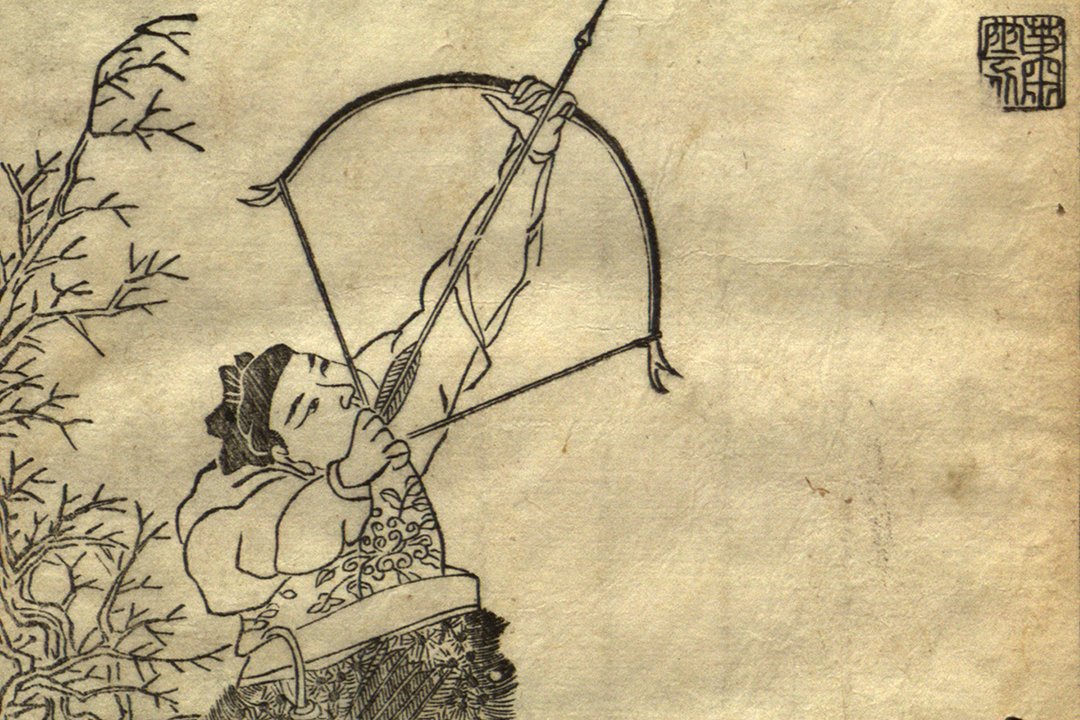
Hou Yi climbed to the top of a high mountain and used his powerful bow to shoot down nine of the ten suns. By doing so, he restored balance to the world and allowed life on Earth to continue. Only one sun remained in the sky, providing the light and warmth necessary for life.
This heroic act made Hou Yi a symbol of courage, sacrifice, and responsibility. His story became one of the most celebrated legends in Chinese mythology.
Symbolism and Meaning Behind the Legend
Like many ancient myths, the Legend of Hou Yi carries deep symbolic meaning. The story can be interpreted in several ways, each reflecting how ancient civilizations understood the world around them.
One interpretation suggests that the legend represents humanity’s struggle to survive natural disasters. In ancient times, extreme heat, droughts, or unusual weather patterns could threaten entire communities. The story of multiple suns scorching the earth may symbolize such catastrophic events. Hou Yi’s actions, therefore, represent humanity’s hope that brave individuals can restore balance and protect society.
Another interpretation focuses on the theme of balance in nature. Ancient Chinese philosophy often emphasized harmony between natural forces. The presence of ten suns disrupted this balance, creating chaos and destruction. By removing nine of them, Hou Yi restored order and harmony, reflecting the importance of maintaining equilibrium in the natural world.
The legend also highlights the idea of responsible power. Hou Yi possessed great strength and skill, but he used his abilities to protect others rather than seeking personal gain. This message reinforces the cultural belief that true heroes serve the greater good.
Influence on Ancient Cultural Traditions
The Legend of Hou Yi became an important part of cultural storytelling in ancient China. Stories about heroic figures were often shared through oral traditions long before they were written down. These tales helped communities preserve their history and teach moral lessons to younger generations.
Hou Yi’s story was particularly influential because it combined elements of heroism, cosmic balance, and divine intervention. The legend also became closely connected with another famous figure in Chinese mythology: Chang’e, the moon goddess.
In many versions of the story, Hou Yi receives a magical elixir of immortality as a reward for saving the world. However, circumstances lead to his wife Chang’e consuming the elixir and ascending to the moon. This part of the legend adds themes of love, sacrifice, and separation to the narrative.
Together, the stories of Hou Yi and Chang’e form one of the most beloved mythological traditions in Chinese culture.
Connection to the Mid-Autumn Festival
One of the most significant cultural influences of the Hou Yi legend is its connection to the Mid-Autumn Festival, one of the most important traditional celebrations in Chinese culture. This festival is often associated with the moon, family gatherings, and the legend of Chang’e.
During the Mid-Autumn Festival, people admire the full moon, share mooncakes, and tell stories related to the myth of Hou Yi and Chang’e. The festival celebrates themes of reunion, gratitude, and harmony—values that are deeply connected to the legend’s message.
The continued celebration of this festival demonstrates how ancient myths can shape cultural traditions for centuries. Even in modern society, the story of Hou Yi remains an important part of the festival’s meaning and symbolism.
Representation in Art and Literature
The legend of Hou Yi has inspired countless works of art and literature throughout history. Ancient painters and sculptors often depicted the heroic archer aiming his bow at the blazing suns. These artistic representations captured the dramatic moment when Hou Yi saved the world from destruction.
In literature, the story has appeared in poems, historical texts, and folklore collections. Writers have interpreted the legend in various ways, emphasizing different aspects such as heroism, romance, or cosmic balance.
Traditional Chinese theater and storytelling performances also incorporated the tale of Hou Yi and Chang’e. These performances helped bring the legend to life for audiences, ensuring that the story continued to be shared across generations.
In modern times, the legend has inspired films, novels, video games, and animated adaptations. These contemporary interpretations show how ancient myths can evolve while still preserving their core themes.
The Role of Mythology in Ancient Civilizations
The legend of Hou Yi illustrates the broader role that mythology played in ancient civilizations. Before the development of modern science, myths were often used to explain natural phenomena such as eclipses, storms, or unusual weather patterns.
Mythological heroes like Hou Yi helped people make sense of the world around them. By telling stories about divine beings and heroic actions, ancient cultures could express their beliefs about nature, morality, and the relationship between humans and the universe.
Myths also served as cultural foundations that united communities. Shared stories created a sense of identity and continuity, linking generations through common traditions and values.
The survival of the Hou Yi legend for thousands of years demonstrates the lasting power of these cultural narratives.
Lessons for Modern Society
Although the Legend of Hou Yi originated in ancient times, its themes remain relevant today. The story emphasizes courage, responsibility, and the importance of protecting the balance of the natural world.
In a modern context, Hou Yi’s actions can be seen as a reminder of humanity’s responsibility to address challenges that threaten the environment and global stability. Just as the hero acted to restore balance in the myth, societies today must work together to maintain harmony with nature.
The legend also reminds us of the importance of selflessness and leadership. Hou Yi did not act for personal glory but for the survival of humanity. This message continues to inspire admiration for individuals who dedicate their abilities to helping others.
Conclusion: A Timeless Cultural Legacy
The Legend of Hou Yi is more than just an ancient myth—it is a story that reflects the values, beliefs, and imagination of early civilizations. Through its powerful imagery and symbolic themes, the legend explores ideas of heroism, natural balance, and human responsibility.
For centuries, the story has influenced art, literature, festivals, and cultural traditions across East Asia. Its connection to the Mid-Autumn Festival and the tale of Chang’e has ensured that the legend remains a living part of cultural heritage.
Even in the modern world, the story of Hou Yi continues to inspire people with its message of courage and harmony. By preserving and retelling this legend, societies maintain a link to their past while sharing timeless lessons that remain meaningful today.
Ultimately, the cultural and historical significance of the Legend of Hou Yi lies in its ability to transcend generations, reminding us that the stories of ancient civilizations still have the power to shape our understanding of heroism, nature, and humanity.