Banflix: The Complete Authority Guide
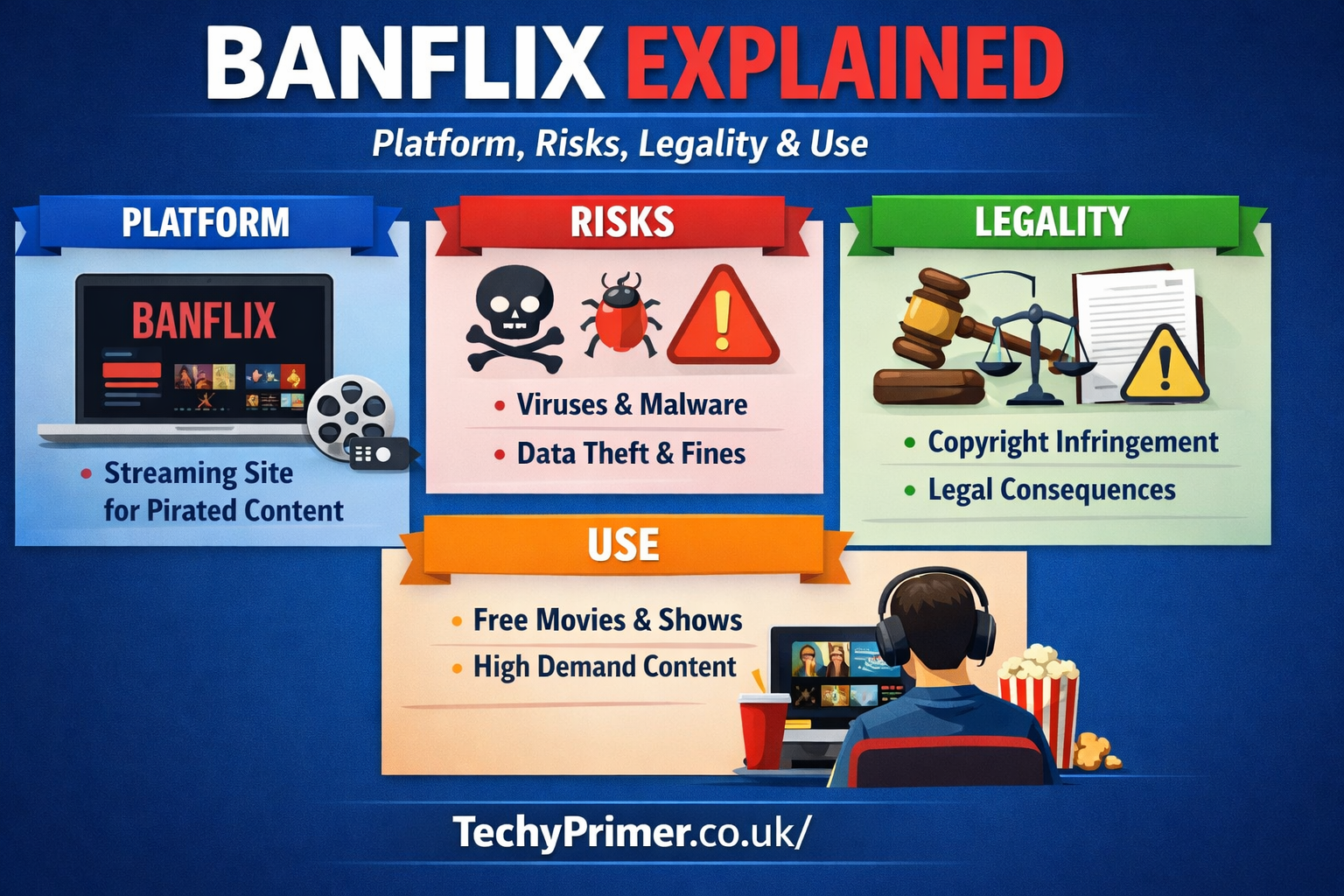
Banflix has emerged as a name people encounter through searches, social chatter, and shared links, often without clear context. For some users it represents a streaming-style destination, while for others it signals a broader category of unofficial media platforms that sit outside traditional distribution models.
This guide is written to remove confusion and replace assumptions with clarity. It explores what banflix is associated with, how such platforms function, the legal and safety implications, and how audiences can make informed decisions in an evolving digital media environment.
Understanding the Banflix Concept
Banflix is commonly discussed as an online platform linked to free or unrestricted access to digital entertainment. The term itself has gained traction because it mirrors the naming style of mainstream streaming brands while operating in a very different ecosystem.
At its core, banflix is less about a single company and more about a model that reflects user demand for instant, cost-free content. Understanding this distinction is critical for evaluating credibility, risk, and long-term sustainability.
How Banflix Fits Into the Streaming Landscape
The modern streaming landscape is crowded with subscription-based services, ad-supported platforms, and hybrid models. Banflix typically appears on the fringe of this ecosystem, positioned as an alternative rather than a competitor.
Unlike licensed platforms, banflix-style sites often aggregate or link content without formal distribution agreements. This structural difference shapes everything from content availability to platform stability.
User Motivation and Audience Behavior
People are drawn to banflix largely because of accessibility. Free access, minimal sign-up friction, and broad libraries appeal strongly in regions where paid subscriptions are costly or fragmented.
Another motivator is convenience. Users frequently report that a single unofficial platform feels simpler than juggling multiple paid services with rotating catalogs.
Content Availability and Catalog Scope
One of the most discussed aspects of banflix is its perceived breadth of content. Users often expect recent releases, international titles, and niche media in one place.
This expectation is fueled by community sharing rather than official marketing. Word-of-mouth plays a significant role in shaping perceptions of what the platform can deliver.
Platform Structure and Technical Design
From a technical standpoint, banflix-style platforms tend to rely on lightweight web frameworks. Speed and ease of access are prioritized over long-term infrastructure investment.
This design choice allows rapid deployment but also introduces instability. Domain changes, downtime, and inconsistent performance are common user experiences.
Legal Context and Copyright Considerations
Legality is the most critical dimension surrounding banflix. Most jurisdictions maintain strict copyright laws that regulate distribution and public access to protected content.
Platforms operating without licenses expose themselves and sometimes users to legal risk. Understanding local regulations is essential before engaging with such services.
Regional Enforcement and Global Variation
Copyright enforcement varies significantly by country. In some regions, authorities focus on distributors rather than individual users, creating a gray area of perceived safety.
However, this perception can change quickly. Crackdowns, ISP-level blocking, and legal notices have become more common as enforcement tools evolve.
Safety, Privacy, and User Risk
Beyond legality, banfli raises serious safety concerns. Unofficial platforms often lack transparent privacy policies and robust security practices.
Users may encounter intrusive ads, tracking scripts, or malicious redirects. These risks are frequently underestimated compared to the appeal of free content.
Advertising Models and Monetization
Because banflix does not typically charge subscription fees, monetization relies on alternative methods. Advertising networks, pop-ups, and affiliate links are common revenue sources.
This model creates incentives that may conflict with user safety. Aggressive monetization can degrade trust and increase exposure to harmful content.
Comparison With Licensed Streaming Services
| Aspect | Licensed Platforms | Banflix-Style Platforms |
| Content Rights | Fully licensed | Often unlicensed or unclear |
| User Safety | High, regulated | Variable, often low |
| Reliability | Stable infrastructure | Frequent downtime |
| Cost | Subscription-based | Free or ad-heavy |
The contrast highlights why banfli exists but also why it remains controversial. Each model reflects different trade-offs between cost, convenience, and security.
Impact on the Entertainment Industry
Unofficial platforms like banfli influence how audiences perceive content value. When access feels unlimited and free, willingness to pay can erode.
At the same time, their popularity signals unmet needs in the market, particularly around pricing, regional access, and catalog fragmentation.
Creator and Rights Holder Perspectives
For creators, banflix represents lost revenue and diminished control over distribution. Independent artists are often disproportionately affected.
Rights holders argue that sustainable production depends on lawful consumption. This tension continues to shape policy debates and enforcement strategies.
Common Misconceptions About Banflix
A widespread misconception is that banflix operates legally because it does not host files directly. In many jurisdictions, facilitation alone can still violate copyright law.
Another myth is that users are completely anonymous. In reality, IP tracking and data collection are technically straightforward for many operators.
Technological Trends Influencing Growth
Advances in streaming technology, cloud hosting, and content scraping have lowered barriers to entry. This has contributed to the rapid appearance of banfli-like sites.
Simultaneously, improved detection tools are empowering rights holders to identify and disrupt unauthorized distribution more efficiently.
Ethical Considerations for Users
Choosing to use banflix is not purely a legal decision but an ethical one. Consumption habits influence which business models thrive.
Supporting licensed platforms contributes to sustainable creative ecosystems, while unofficial use prioritizes short-term access over long-term viability.
Hypothetical User Scenario
Consider a student with limited income facing multiple subscription paywalls. Banflix may appear as a practical solution to entertainment access.
However, this short-term convenience must be weighed against potential legal exposure, malware risk, and the broader impact on content creators.
Alternatives and Safer Options
There are legitimate free and low-cost alternatives that reduce reliance on banfli. Ad-supported streaming services and public-domain libraries are expanding.
Exploring these options can satisfy entertainment needs while avoiding many of the risks associated with unofficial platforms.
The Future Outlook
The future of banflix-style platforms depends on enforcement, user awareness, and industry adaptation. As legal options improve, appeal may decline.
Conversely, if affordability and access gaps persist, unofficial platforms will likely continue to emerge under new names and domains.
Expert Perspective
As one media law analyst notes, “When access models fail to meet consumer reality, unofficial platforms fill the gap, but they do so at significant legal and ethical cost.”
This observation captures the tension driving both the popularity and the instability associated with banfli.
Conclusion
Banflix symbolizes a broader shift in how audiences seek content in a fragmented digital environment. Its appeal is rooted in accessibility, simplicity, and cost avoidance.
At the same time, legal, safety, and ethical risks are substantial. Informed users are best positioned to navigate these trade-offs responsibly.
Frequently Asked Questions
What is banflix?
Banflix is commonly associated with an unofficial online platform model that provides free access to digital entertainment outside licensed frameworks.
Is banflix legal to use?
The legality of banflix depends on local laws, but many uses involve copyrighted content distributed without authorization.
Why do people search for banflix?
Users are often looking for free, centralized access to movies or shows that would otherwise require multiple subscriptions.
Can banflix be unsafe?
Yes, banflix-style platforms may expose users to malware, invasive ads, or data tracking due to weak security controls.
Are there alternatives to banflix?
There are legal, ad-supported, and public-domain streaming options that provide safer alternatives while supporting creators.